
2 The usual way of genetically modifying bacteria is to insert a plasmid containing the desired gene into them.

 There are social implications related to using genetically modified organisms in food production.
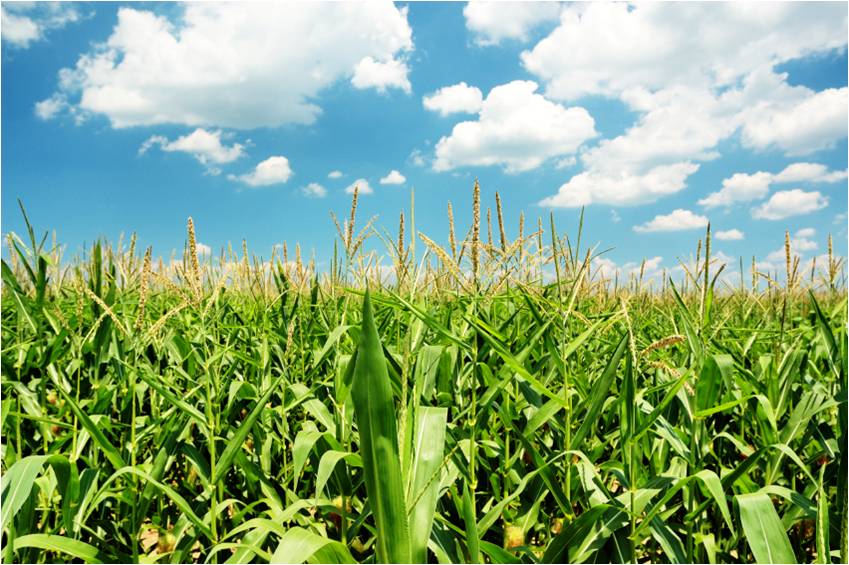 Genetic technology can provide benefits in, for example, agriculture and medicine, but has the associated risk of the escape of the gene concerned into organisms other than the intended host.
 Genetic engineering is improving the quality (nutrition) and yield of crop plants and livestock --> therefore is solving the demand for food in the world
 Gene therapy: treatment of a genetic disorder by altering a person's genotype (insert functional alleles of genes into cells)
 Genetic screening: analysis of a person's DNA to check for the presence of a particular allele
 Bioinformatics is the collecting, processing and analysis of biological information and data using computer software.
 Genetic markers uses enzymes that produces fluorescent substances. There used to be antibiotic resistance gene markers, but there was the chance that they would spread the antibiotic resistance to other new strains of bacteria.
 The polymerase chain reaction (PCR) and gel electrophoresis both work with molecules. Both these procedures are needed for forensic science.
 Genetic engineering involves the manipulation of naturally occurring processes and enzymes.
 1 All living organisms may be classified into one of the
five kingdoms: prokaryotes, protoctists, fungi, plants
and animals.
1 All living organisms may be classified into one of the
five kingdoms: prokaryotes, protoctists, fungi, plants
and animals. Non-governmental organisations, such as the World Wide Fund for Nature (WWF) and the Convention on International Trade in Endangered Species of Wild Fauna and Flora (CITES), play important roles in local and global conservation.
 Alien or invasive species are those that have moved from one ecosystem to another where they were previously unknown.
 Assisted reproduction is a solution to the problem of inbreeding.
 An endangered species is one that is threatened with extinction. The best way to conserve any species is to keep it in its natural habitat.
 For some people, the safety of biodiversity is simply a moral or ethical issue. For others it may be for ecological reasons, aesthetic reasons, social and commercial reasons or for other services.
 Biodiversity is under threat in many aquatic and terrestrial ecosystems as human population continues to increase and we take more resources from the environment and produce more waste.
 There are 2 types of sampling: random sampling and systematic sampling.


 Populations of organisms have the potential to produce large numbers of offspring, yet their numbers remain fairly constant year after year.
 The variation that exists within a species is categorised as continuous and discontinuous. The environment has considerable influence on the expression of features that show continuous (or quantitative) variation.
 Some genes are transcribed all the time to produce constituitive proteins; others are only 'switched on' when their protein products are required.
 A mutation is an unpredictable change in the genetic material of an organism.
 Patterns of inheritance are explained by using genetic diagrams. Genetic diagrams are the standard way of showing the genotypes of offspring that might be expected from 2 parents.
 Studies of human genetic conditions have revealed the links between genes, enzymes and the phenotypes.
 Gibberellins are plant growth regulators that are synthesized in most parts of plants (mainly in young leaves and seeds and in stems). They have a role in seed germination and controlling stem elongation.
 Chemical communication in plants
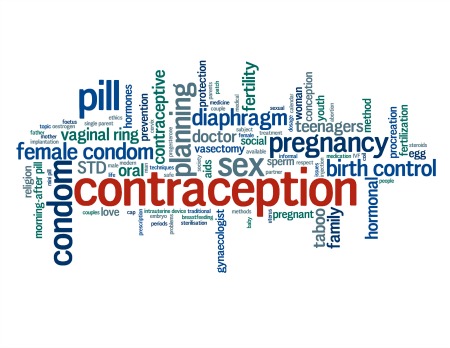 ‘Birth
control’ means taking control over if and when a couple have a child. It may involve:
‘Birth
control’ means taking control over if and when a couple have a child. It may involve:


 Action potentials are rapid changes in potential difference across the membrane.
 Humans, like all living organisms,
can respond to changes in the environment and so increase survival. Humans have 2 control systems to do this: the nervous system and the endocrine (hormonal) system. The human nervous system controls everything
from breathing and standing upright, to memory and intelligence. It has 3
parts: detecting stimuli, coordinating and effecting a response.
Humans, like all living organisms,
can respond to changes in the environment and so increase survival. Humans have 2 control systems to do this: the nervous system and the endocrine (hormonal) system. The human nervous system controls everything
from breathing and standing upright, to memory and intelligence. It has 3
parts: detecting stimuli, coordinating and effecting a response.


